Uncover the truth behind sunscreen myths and learn how to truly protect your skin in this ever-evolving world of skincare.
Why Sunscreen Matters More Than Ever
In the vast world of skincare, few products are as misunderstood – yet as essential – as sunscreen. Every day, your skin faces exposure to ultraviolet (UV) rays that can cause premature aging, dark spots, and even skin cancer. Whether it’s summer or winter, sunny or cloudy, sunscreen remains a non-negotiable step in your skincare routine.
But despite countless campaigns emphasizing its importance, myths about sunscreen continue to spread. From “I only need it at the beach” to “I don’t burn, so I’m safe,” misinformation can leave your skin vulnerable.
At Healthy Rootz, we believe that informed skincare choices lead to healthier, more radiant skin. That’s why this ultimate guide dives deep into sunscreen myths vs. facts, helping you understand what really works for your unique skin.
Understanding Sunscreen Basics
What is Sunscreen?
Sunscreen is a protective skincare product designed to shield your skin from the harmful effects of ultraviolet (UV) radiation – primarily UVA and UVB rays. UVA rays penetrate deeply and cause aging, while UVB rays damage the surface and cause sunburn.
There are two main types of sunscreen:
- Physical (Mineral) Sunscreens: Contain ingredients like zinc oxide or titanium dioxide that reflect UV rays.
- Chemical Sunscreens: Contain organic compounds (like avobenzone or oxybenzone) that absorb UV radiation and convert it into heat.
How Does Sunscreen Work?
Sunscreen forms a protective barrier on your skin that either absorbs or deflects UV rays before they can damage skin cells. This prevents DNA damage, pigmentation, and early signs of aging – making it a daily must-have in your skincare regimen.
Common Sunscreen Myths (and the Facts That Debunk Them)
Myth #1: You Don’t Need Sunscreen Indoors
Fact: Indoor lighting and digital devices emit blue light, which contributes to hyperpigmentation and aging. UVA rays can also penetrate through windows, meaning your skin isn’t truly protected indoors.
Tip: Always apply a broad-spectrum SPF 30+ sunscreen, even when you’re inside.
Myth #2: Dark Skin Doesn’t Need Sunscreen
Fact: While melanin does provide some natural sun protection, it’s not enough to block harmful UV rays completely. People with darker skin tones are still susceptible to sun damage, pigmentation, and even skin cancer.
Tip: Opt for lightweight, non-white-cast sunscreens formulated for deeper skin tones.
Myth #3: Higher SPF Means Better Protection
Fact: SPF (Sun Protection Factor) measures how long the sun’s UVB rays would take to redden your skin. However, SPF 50 only offers slightly more protection than SPF 30 – blocking about 98% of UVB rays compared to 97%.
Tip: Instead of chasing high numbers, focus on reapplying sunscreen every 2 hours for consistent protection.
Myth #4: Sunscreen Causes Acne
Fact: Many assume sunscreen clogs pores, but that’s only true for certain formulas. Today’s ever-evolving skincare industry offers oil-free, non-comedogenic sunscreens that prevent breakouts while keeping your skin safe.
Tip: Choose gel-based or water-based sunscreens if you have acne-prone or oily skin.
Myth #5: You Don’t Need Sunscreen on Cloudy Days
Fact: Up to 80% of UV rays can penetrate clouds, meaning your skin is still exposed even when the sun isn’t visible. Skipping sunscreen on cloudy days can lead to gradual, unnoticed skin damage.
Tip: Make sunscreen a 365-day habit, rain or shine.
Myth #6: Sunscreen is Only for the Summer
Fact: UV rays remain active year-round – even in winter. Snow can reflect up to 85% of UV rays, increasing your exposure.
Tip: Continue using sunscreen during cold seasons, especially if you’re spending time outdoors.
Myth #7: Makeup with SPF is Enough
Fact: Makeup with SPF provides minimal protection and isn’t applied in sufficient amounts to offer true coverage.
Tip: Apply a separate layer of sunscreen under your makeup for full protection, and reapply using SPF sprays or powders throughout the day.
Choosing the Right Sunscreen for Your Skin Type
Finding the perfect sunscreen depends on your skin’s unique needs. Here’s a quick guide:
For Dry Skin
Choose hydrating formulas with ingredients like hyaluronic acid or ceramides.
Best pick: Moisturizing cream-based sunscreens.
For Oily Skin
Opt for matte-finish, gel-based, or water-based sunscreens that don’t clog pores.
Best pick: Lightweight, oil-free SPF gels.
For Combination Skin
Use a balancing sunscreen that controls oil in the T-zone but hydrates dry areas.
Best pick: Hybrid formulas with both hydrating and mattifying agents.
For Sensitive Skin
Stick to mineral sunscreens with zinc oxide or titanium dioxide. Avoid alcohol, fragrance, and harsh chemicals.
Best pick: Hypoallergenic mineral SPF lotions.
How to Apply Sunscreen the Right Way
Even the best sunscreen won’t work if not used correctly. Follow these dermatologist-approved steps:
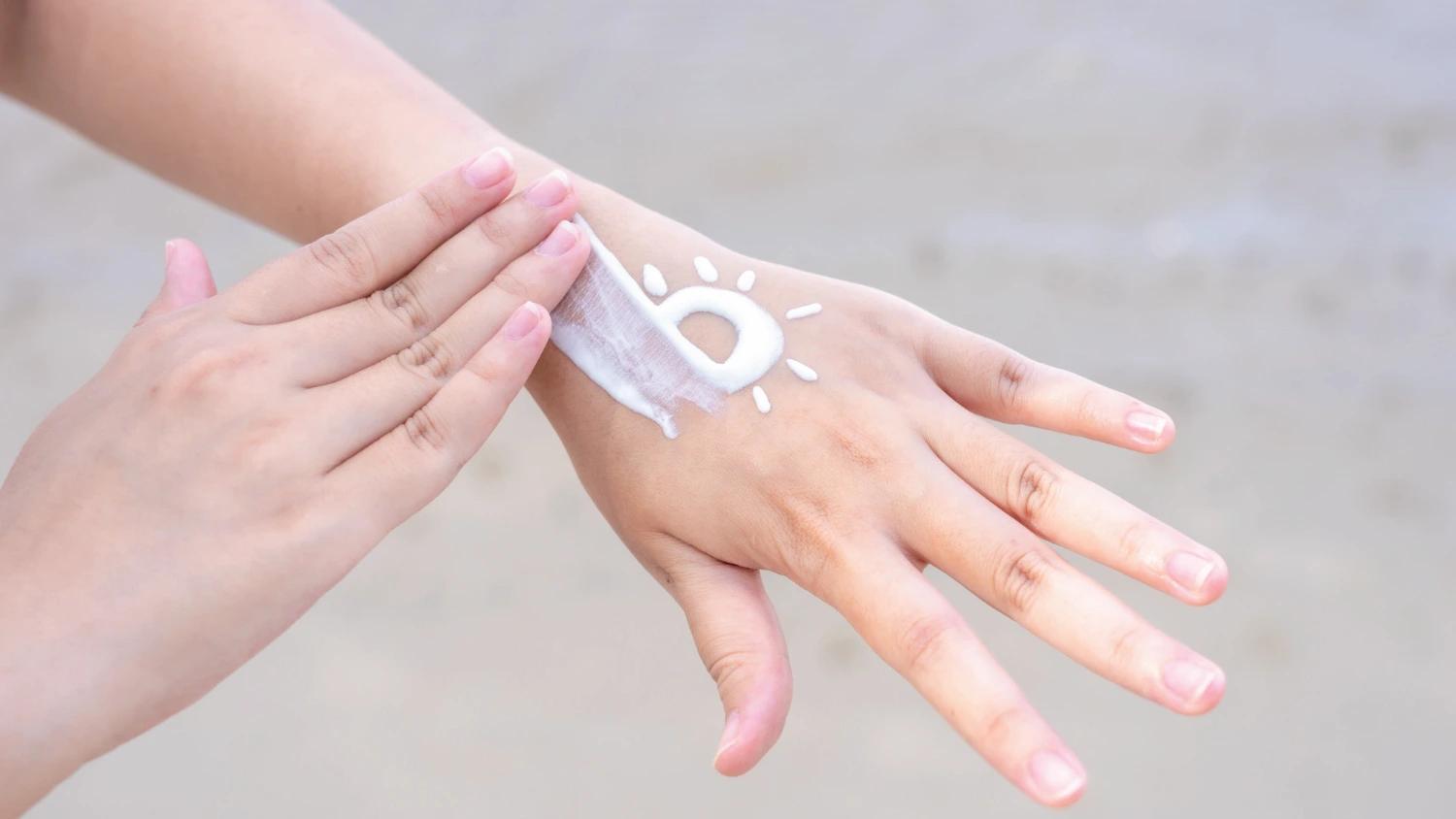
- Apply generously: Use about a teaspoon for your face and two tablespoons for your body.
- Apply before exposure: Put on sunscreen 15–30 minutes before going outside.
- Don’t forget hidden areas: Include your ears, neck, back of your hands, and tops of your feet.
- Reapply regularly: Every 2 hours, or more often if you’re swimming or sweating.
- Layer correctly: Apply sunscreen after moisturizer and before makeup.
Ever-Evolving Trends in Sunscreen and Skin Care
The skincare world is constantly evolving – and sunscreen technology is leading the way. Modern innovations are making sunscreens lighter, smarter, and more eco-friendly than ever.
Here are some current trends:
- Hybrid Sunscreens: Combining chemical and mineral filters for the best of both worlds.
- Blue Light Protection: Formulas designed to combat digital screen exposure.
- Eco-Friendly Sunscreens: Reef-safe options without oxybenzone or octinoxate.
- Tinted Sunscreens: Offering both protection and natural coverage.
- Sprays and Sticks: Convenient application formats for on-the-go reapplication.
The modern consumer is more conscious of ingredients, sustainability, and comfort – aligning with the ever-evolving skincare standards that Healthy Rootz emphasizes in its expert-backed articles.
Conclusion
Sunscreen isn’t just a skincare product – it’s a daily defense shield against aging, damage, and disease. By separating myths from facts, you empower yourself to make smarter, healthier choices for your skin.
Whether you’re working indoors, heading to the beach, or stepping out on a cloudy morning, remember: consistent sunscreen use is the ultimate anti-aging secret.
At Healthy Rootz, we believe skincare should evolve with science – and sunscreen remains the foundation of glowing, youthful skin. So, make SPF your daily ritual and embrace a future of radiant, well-protected skin.
FAQs
How much sunscreen should I use daily?
Use at least a teaspoon for your face and two tablespoons for your entire body. Reapply every two hours for maximum protection.
Can I use sunscreen at night?
You don’t need sunscreen at night since UV exposure isn’t a concern, but using a hydrating night cream can help repair your skin barrier.
What SPF level is best for daily use?
A broad-spectrum SPF 30 is ideal for everyday protection. If you spend long hours outdoors, opt for SPF 50.
Can sunscreen prevent tanning?
Sunscreen reduces tanning by blocking UV rays but doesn’t eliminate it completely. Some UV still penetrates the skin, triggering melanin production.
Is it safe to use expired sunscreen?
No. Expired sunscreen loses its effectiveness and may not protect your skin. Always check the expiration date before use.
Can I mix sunscreen with moisturizer?
It’s not recommended. Mixing can dilute SPF effectiveness. Instead, apply moisturizer first, then a layer of sunscreen.