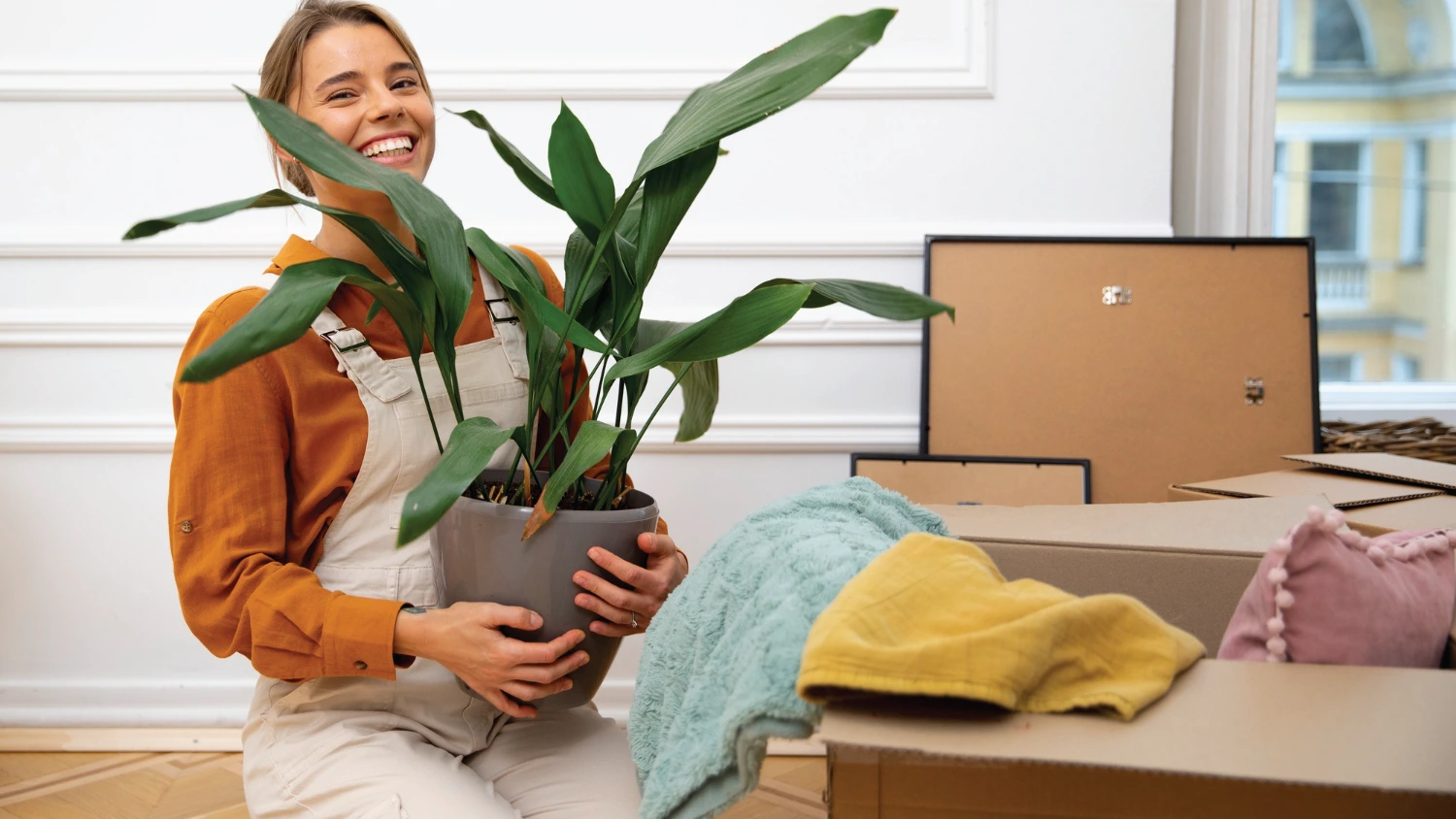
Why Decluttering Matters
In today’s fast-paced world, our homes often reflect the chaos of our daily lives. Clutter not only occupies physical space but also clouds our minds, drains our energy, and affects our overall well-being. Creating a clean, organized, and functional living space isn’t just about aesthetics-it’s about improving your mental clarity and emotional health.
Decluttering your home is one of the simplest yet most powerful ways to transform your lifestyle. Whether you live in a small apartment or a spacious house, these simple decluttering tips will help you cultivate a happier, healthier environment.
At Healthy Rootz, we believe a healthy home fosters a healthy mind and body. Let’s explore how a few mindful changes can make a big difference.
The Psychology Behind a Clutter-Free Space
Research shows that clutter increases stress and reduces focus. The brain perceives mess as unfinished tasks, leading to mental overload. On the other hand, a clean environment promotes calmness, productivity, and creativity.
How Clutter Affects You:
- Mental Stress: Constantly seeing disorganized spaces triggers anxiety.
- Sleep Quality: A messy bedroom can make it harder to relax and fall asleep.
- Productivity: A tidy workspace leads to better concentration and decision-making.
- Mood Boost: Decluttering releases dopamine-a “feel-good” hormone associated with accomplishment.
When you declutter, you’re not just cleaning; you’re resetting your mind and setting the tone for a positive lifestyle.
Step-by-Step Decluttering Tips for Every Room
1. Decluttering Your Living Room
The living room is often the heart of the home-and also the first to collect clutter. Start by removing unnecessary décor, magazines, or electronics that don’t add value.
Tips:
- Keep only meaningful décor pieces.
- Use baskets or storage ottomans for remotes, books, and accessories.
- Limit surfaces to one or two key items-like a lamp or plant.
- Declutter cables with wire organizers or cord boxes.
A clean living room invites relaxation and improves social interaction, making it a space you’ll love spending time in.
2. Simplifying the Kitchen
The kitchen tends to accumulate unused gadgets, expired food, and mismatched containers.
Decluttering Checklist:
- Dispose of expired spices and ingredients.
- Donate duplicate utensils and pans.
- Use labeled glass jars for an aesthetic and organized pantry.
- Keep countertops clear by storing appliances you use less frequently.
This not only enhances hygiene but also saves time during meal prep-a win for both your health and your sanity.
3. Organizing the Bedroom
Your bedroom should be a peaceful sanctuary, not a storage room. Clutter here directly affects your sleep and stress levels.
Tips to Simplify:
- Remove unnecessary furniture and décor.
- Keep surfaces like nightstands clutter-free.
- Store seasonal clothes in bins under the bed.
- Follow the “one in, one out” rule-buy something new, donate something old.
Adding plants or calming scents can also enhance relaxation, transforming your space into a true retreat.
4. Bathroom Declutter Routine
Small bathrooms can easily get messy with beauty products and toiletries.
Quick Fixes:
- Toss out expired cosmetics and medicines.
- Use drawer organizers for small items like brushes or razors.
- Mount wall shelves or over-the-door racks for towels and essentials.
- Keep only daily-use products on the countertop.
A fresh, clean bathroom boosts your morning mood and creates a more spa-like experience every day.
5. Tackling the Closet and Wardrobe
Closets are often emotional spaces, filled with clothes we “might wear someday.” Decluttering them brings instant relief.
How to Start:
- Sort clothes into “keep,” “donate,” and “discard” piles.
- Hang only what you wear regularly.
- Use slim hangers to save space.
- Color-code or categorize items for easier access.
- Store out-of-season clothes separately.
This simple shift makes dressing up every morning faster and more enjoyable.
Minimalism vs. Decluttering: Understanding the Difference
Decluttering doesn’t necessarily mean minimalism.
- Decluttering is about removing what you don’t need.
- Minimalism is about intentionally living with less.
You can declutter without adopting a minimalist lifestyle. The goal is balance-keeping what adds value and letting go of what doesn’t.
Healthy Rootz encourages mindful living-choose function, comfort, and emotional connection over quantity.
Ever-Evolving Lifestyle Hacks for Sustainable Decluttering
Decluttering isn’t a one-time event-it’s an ongoing lifestyle. Here are some ever-evolving lifestyle hacks to keep your home fresh and clutter-free year-round:
- One-Minute Rule: If something takes less than a minute to do (like putting away shoes), do it immediately.
- Weekly Reset: Spend 10 minutes each weekend tidying up high-traffic areas.
- Digital Declutter: Clear old photos, emails, and files to reduce mental clutter.
- Adopt the “Use It or Lose It” Mindset: If you haven’t used something in six months, it’s time to donate or recycle it.
- Mindful Shopping: Before buying, ask, “Do I truly need this, or am I buying out of habit?”
These small, consistent actions are key to building a long-term clutter-free lifestyle.
How Decluttering Improves Mental and Physical Health
A tidy space creates a ripple effect on your overall well-being.
Mental Health Benefits:
- Reduced anxiety and stress
- Improved focus and decision-making
- Increased sense of control and calm
- Boosted creativity and happiness
Physical Health Benefits:
- Fewer allergens and dust accumulation
- Easier cleaning and better hygiene
- More motivation to cook healthy meals
- Better sleep environment
By decluttering your home, you also declutter your mind-a core principle shared by Healthy Rootz in promoting holistic living.
The Role of Technology in a Tidy Home
Modern technology can make decluttering easier and more efficient.
Useful Tools:
- Apps like “Sortly” or “Tody” for inventory tracking and cleaning reminders.
- Smart storage solutions with adjustable shelving or modular furniture.
- Digital organizers for receipts, bills, and documents.
- Label printers and QR systems for quick identification of stored items.
Using tech wisely helps you stay organized without adding more chaos to your life.
Maintenance Tips to Keep Clutter Away for Good
Once you’ve decluttered, maintaining it is the real challenge. Here’s how to sustain your hard work:
- Daily 5-Minute Clean-Up: Spend a few minutes before bed resetting key spaces.
- Adopt a “Home for Everything” Rule: Every item should have a designated spot.
- Avoid Storage Overload: Don’t hide clutter in bins-deal with it intentionally.
- Celebrate Simplicity: Appreciate open spaces and breathing room.
- Regular Donation Routine: Every few months, donate unused items to keep balance.
Remember, decluttering is less about perfection and more about progress.
Conclusion
A clutter-free home equals a clutter-free mind. By applying these simple decluttering tips, you’ll not only create a more beautiful space but also improve your overall happiness, health, and productivity.
Decluttering is a continuous process-one that aligns with ever-evolving lifestyle habits. Start small, stay consistent, and enjoy the peace that comes from living with intention.
As Healthy Rootz often reminds readers:
“A healthy home is the foundation of a healthy you.”
FAQs
How do I start decluttering when I feel overwhelmed?
Start small-choose one area or one drawer. Set a timer for 15 minutes daily. The key is momentum, not perfection.
How often should I declutter my home?
A light declutter every month and a deep clean every six months is ideal to maintain balance.
What should I do with items I no longer need?
Donate usable items to local charities, sell valuable ones online, and recycle responsibly.
Can decluttering really improve my mood and health?
Yes! Studies show a clean, organized environment reduces stress, improves focus, and enhances sleep and mental well-being.
What are some quick daily decluttering habits?
Follow the “one in, one out” rule, clear surfaces before bed, and put items back in their designated place after use.
Is digital decluttering important too?
Absolutely. Clearing your phone, email, and desktop space can significantly reduce digital stress and improve productivity.