In the ever-evolving world of skin care, one thing remains timeless – the power of natural ingredients. With a growing awareness of harmful chemicals and synthetic additives, more people are turning to DIY face masks to rejuvenate their skin naturally. Whether you struggle with dryness, oiliness, or the tricky balance of combination skin, homemade masks offer an effective, affordable, and customizable solution.
At Healthy Rootz, we believe true beauty begins with understanding your skin and nourishing it with nature’s finest. This guide will walk you through DIY face masks for every skin type, explaining how each ingredient benefits your skin and how you can easily create spa-quality treatments right at home.
Understanding Your Skin Type
Before you grab ingredients from your kitchen shelf, it’s essential to identify your skin type. Using the wrong ingredients can cause irritation or imbalance. Let’s break down the three main skin types and what they need.
Dry Skin
Dry skin often feels tight, flaky, and dull due to a lack of natural oils and moisture. It needs hydration and nourishment from ingredients rich in fatty acids and vitamins.
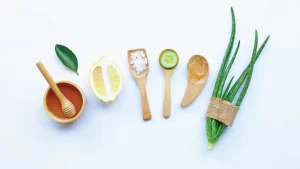
Key Ingredients: Honey, avocado, yogurt, aloe vera, olive oil.
Oily Skin
Oily skin produces excess sebum, leading to clogged pores and breakouts. The goal here is to control oil without stripping the skin of essential moisture.
Key Ingredients: Clay, lemon juice, tea tree oil, cucumber, apple cider vinegar.
Combination Skin
Combination skin is both dry and oily, usually with an oily T-zone (forehead, nose, chin) and dry cheeks. This type needs balanced care that hydrates while controlling oil.
Key Ingredients: Oatmeal, aloe vera, rosewater, green tea, honey.
Why DIY Face Masks Are a Game-Changer
DIY face masks aren’t just trendy – they’re an excellent way to feed your skin with pure nutrients. Here’s why more people are switching to homemade skincare solutions:
- No Harsh Chemicals: You control every ingredient that goes on your face.
- Budget-Friendly: Most ingredients are already in your kitchen.
- Customizable: Mix and match based on your unique skin needs.
- Instant Results: Many masks deliver visible glow and hydration in just one use.
- Sustainable Choice: It’s an eco-friendly alternative to store-bought products.
Healthy Rootz encourages exploring these natural remedies as part of your skincare journey, reminding you that the best skin care evolves with your needs and nature’s rhythm.
Best DIY Face Masks for Dry Skin
If your skin feels parched and lifeless, these hydrating masks will quench its thirst.
a. Honey and Avocado Mask
Ingredients:
- ½ ripe avocado
- 1 tablespoon honey
- 1 teaspoon olive oil
Instructions:
Mash the avocado and mix with honey and olive oil. Apply evenly to your face and leave it for 15–20 minutes. Rinse with lukewarm water.
Benefits:
This mask deeply moisturizes, restores elasticity, and gives your skin a soft glow. Avocado nourishes with healthy fats, while honey locks in moisture.
b. Yogurt and Oatmeal Mask
Ingredients:
- 2 tablespoons yogurt
- 1 tablespoon oatmeal
- 1 teaspoon honey
Instructions:
Mix all ingredients into a smooth paste. Apply and let it sit for 20 minutes. Rinse gently with cool water.
Benefits:
Yogurt’s lactic acid gently exfoliates while oatmeal soothes dry patches.
c. Aloe Vera and Coconut Oil Mask
Ingredients:
- 1 tablespoon aloe vera gel
- 1 teaspoon coconut oil
Instructions:
Blend the two and apply to your face for 15 minutes. Wash with mild water.
Benefits:
Aloe vera cools and hydrates, while coconut oil restores suppleness to dry, dull skin.
Best DIY Face Masks for Oily Skin
For oily or acne-prone skin, these masks balance oil production and tighten pores without over-drying.
a. Clay and Apple Cider Vinegar Mask
Ingredients:
- 1 tablespoon bentonite clay
- 1 teaspoon apple cider vinegar
- A few drops of water (if needed)
Instructions:
Mix until smooth, apply, and let it dry for 10–15 minutes. Rinse with warm water.
Benefits:
This mask detoxifies pores, removes excess oil, and prevents acne.
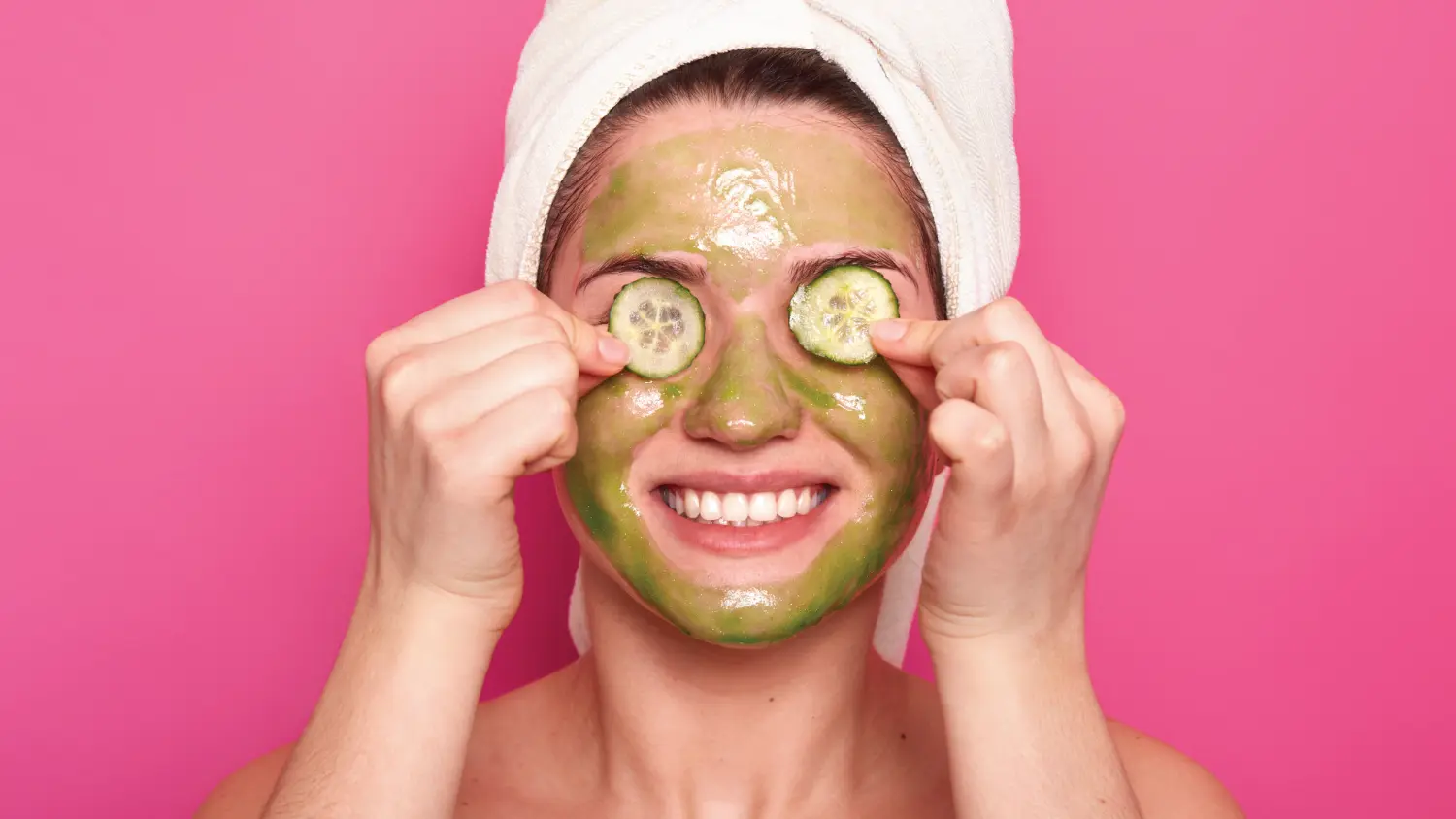
b. Cucumber and Lemon Mask
- Ingredients:
- 2 tablespoons cucumber juice
- 1 teaspoon lemon juice
Instructions:
Blend and apply evenly to your skin. Leave for 10–15 minutes and rinse.
Benefits:
Cucumber soothes while lemon brightens and reduces oil buildup.
c. Tea Tree and Green Clay Mask
Ingredients:
- 1 tablespoon green clay
- 2 drops of tea tree essential oil
- 1 tablespoon rosewater
Instructions:
Mix ingredients, apply to face, and let it sit for 10–12 minutes. Rinse with lukewarm water.
Benefits:
Tea tree fights bacteria, while clay tightens pores and absorbs sebum.
Best DIY Face Masks for Combination Skin
Combination skin requires a delicate balance – hydrating the dry zones while controlling oil in the T-zone.
a. Oatmeal and Honey Mask
Ingredients:
- 1 tablespoon ground oatmeal
- 1 tablespoon honey
- 1 teaspoon rosewater
Instructions:
Mix and apply evenly. Leave for 15 minutes before rinsing.
Benefits:
Oatmeal exfoliates gently, honey hydrates, and rosewater balances your skin tone.
b. Aloe Vera and Green Tea Mask
Ingredients:
- 1 tablespoon aloe vera gel
- 1 tablespoon brewed green tea (cooled)
Instructions:
Blend and apply. Leave for 20 minutes, then rinse with cool water.
Benefits:
Aloe vera calms dry areas while green tea controls oil and inflammation.
c. Banana and Yogurt Mask
Ingredients:
- ½ ripe banana
- 1 tablespoon yogurt
- 1 teaspoon honey
Instructions:
Mash the banana, mix with yogurt and honey, and apply. Leave for 15 minutes, rinse gently.
Benefits:
Banana nourishes, yogurt brightens, and honey maintains hydration.
Tips for Applying and Removing Face Masks Correctly
- Always cleanse first – remove makeup and impurities for better absorption.
- Use a brush or clean hands to apply evenly.
- Avoid the eye and lip areas to prevent irritation.
- Don’t overuse masks – 1–2 times per week is ideal.
- Rinse with lukewarm water and follow up with a moisturizer suitable for your skin type.
Common Mistakes to Avoid with DIY Masks
- Using harsh acidic ingredients (like lemon) too frequently.
- Ignoring patch tests – always test on your wrist before applying to your face.
- Mixing too many ingredients at once – simplicity is key.
- Storing leftover mask mixtures – most should be made fresh.
- Not moisturizing after use – your skin still needs hydration.
The Future of Ever-Evolving Skin Care
Skincare is constantly evolving, blending traditional wisdom with modern science. DIY face masks reflect this beautiful balance – they celebrate nature while empowering you to personalize your skincare routine.
Brands like Healthy Rootz continue to promote holistic beauty by encouraging clean, natural, and sustainable skincare habits. With nature’s pantry at your fingertips, glowing, healthy skin isn’t just possible – it’s sustainable, personal, and ever-evolving.
Final Thoughts
Your skin deserves care that adapts with it. Whether your skin feels dry, oily, or a mix of both, DIY face masks can transform your skincare experience. They’re easy to make, chemical-free, and deeply effective.
So, explore your kitchen, listen to your skin, and embrace this ever-evolving world of natural skincare. Remember – consistency and balance are the real beauty secrets.
FAQs
How often should I use a DIY face mask?
For most skin types, 1–2 times a week is ideal. Overusing masks can irritate the skin or cause imbalance.
Can I store leftover DIY face masks?
It’s best to use them fresh. Some masks with yogurt or fruit can spoil quickly. If necessary, refrigerate for up to 24 hours.
Are DIY masks safe for sensitive skin?
Yes, but always perform a patch test. Avoid harsh ingredients like lemon juice or essential oils if your skin is very sensitive.
Can I mix different masks for different areas of my face?
Absolutely! This technique, called multi-masking, is great for combination skin. Apply hydrating masks to dry areas and clay-based masks to oily zones.
What is the best natural ingredient for glowing skin?
Honey is one of the best – it hydrates, heals, and adds instant radiance to any skin type.
How can I enhance the results of a DIY mask?
Exfoliate gently before applying and follow with a toner or moisturizer afterward. This helps your skin absorb nutrients better.