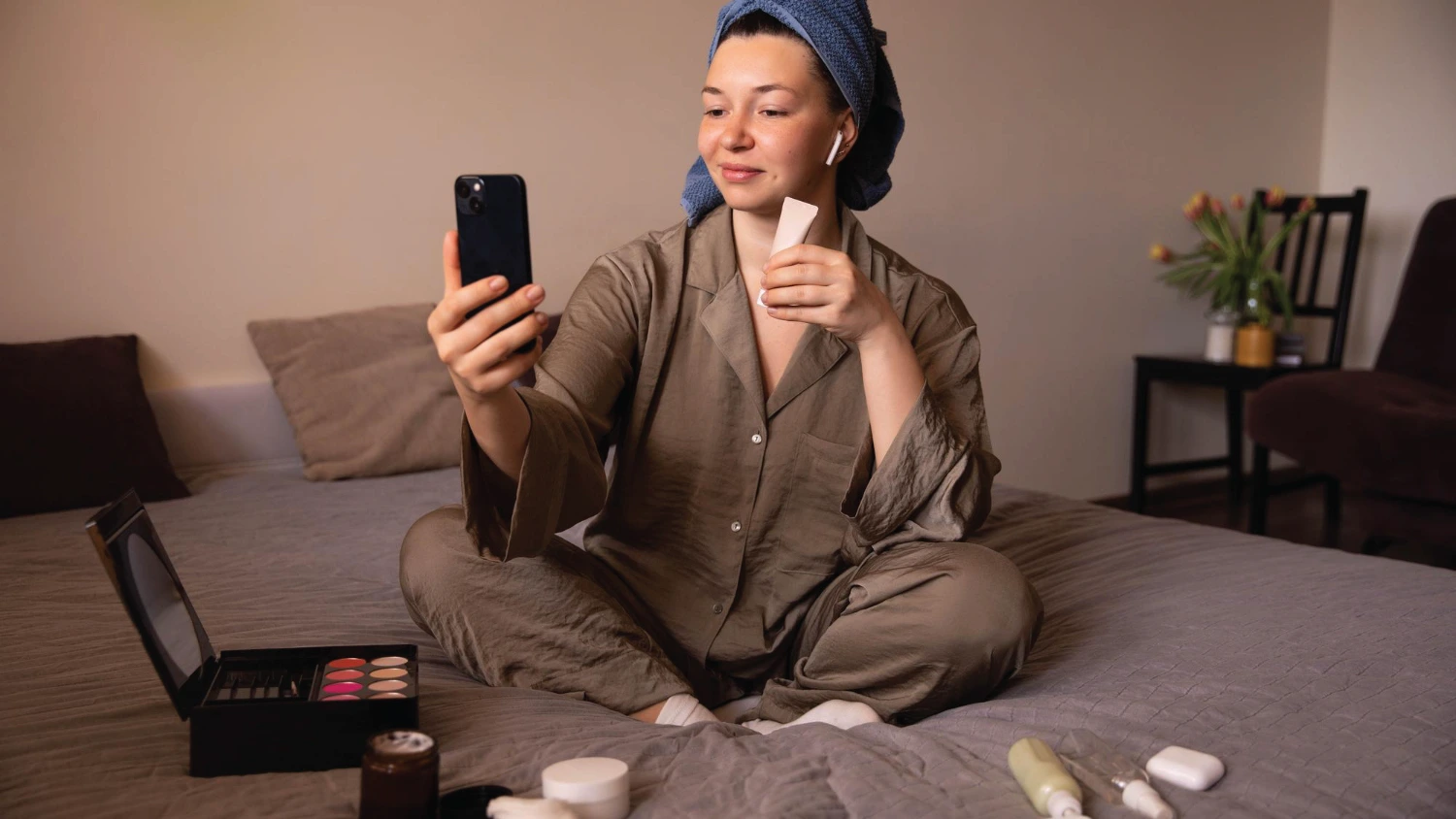
When it comes to achieving clear, glowing, and youthful skin, the debate between morning vs. night skincare routines has been ongoing for years. Should you invest more time in your morning skincare routine or focus your energy on night-time treatments?
The truth is, both play essential roles – but in different ways. Your skin faces environmental stress during the day and regenerates while you sleep. Understanding the purpose behind each step can help you design a balanced, personalized regimen that suits your skin type and lifestyle.
Let’s explore the science, structure, and strategy behind these routines with insights from Healthy Rootz, your trusted guide to holistic and ever-evolving skincare wisdom.
Understanding the Basics of Skincare Routines
A skincare routine is a systematic approach to cleansing, protecting, and nourishing your skin to maintain its health and vitality. While products and steps vary, the goal remains the same – to maintain a radiant, balanced, and youthful complexion.
Core Steps in a Skincare Routine:
- Cleansing: Removes dirt, oil, and impurities.
- Toning: Balances skin pH and tightens pores.
- Moisturizing: Hydrates and strengthens the skin barrier.
- Protection/Treatment: Sunscreen or active serums depending on time of day.
Morning and night routines differ in their objectives – one focuses on protection, while the other emphasizes repair.
Why Morning Skincare Matters
Morning skincare acts as a protective shield. It prepares your skin to face external stressors such as UV rays, pollution, dirt, and free radicals. Think of it as your skin’s defense strategy for the day ahead.
Key Benefits of Morning Skincare:
- Protection from UV Damage: Sunscreen prevents premature aging and pigmentation.
- Hydration Boost: Moisturizers keep your skin plump and dewy.
- Pollution Defense: Antioxidant serums neutralize free radicals from environmental exposure.
- Makeup Prep: Clean, moisturized skin ensures a smoother makeup application.
Skipping morning skincare leaves your skin vulnerable, resulting in dullness, clogged pores, and accelerated aging.
Why Night Skincare Is Equally Important
While you rest, your skin is hard at work. Nighttime is when cell regeneration and repair processes peak. Your body increases collagen production and repairs damage from daily exposure.
Benefits of Night Skincare:
- Cell Renewal: Skin repairs itself from sun and pollution damage.
- Deep Nourishment: Night creams and serums penetrate better during rest.
- Collagen Boost: Helps maintain firmness and elasticity.
- Detoxification: Supports the skin’s natural cleansing cycle.
Neglecting night care can slow down skin recovery, leading to dryness, dullness, and premature fine lines.
The Science Behind Day and Night Skin Needs
Your skin’s circadian rhythm (24-hour biological clock) dictates when it protects and when it repairs.
| Time | Skin Function | Focus |
|---|---|---|
| Morning (6 AM – 12 PM) | Protection mode | Shielding from UV, pollution |
| Afternoon (12 PM – 6 PM) | Maintenance mode | Hydration and sebum balance |
| Night (9 PM – 3 AM) | Regeneration mode | Repairing, rejuvenating, collagen production |
This biological rhythm is why both morning and night routines are crucial. Skipping either means ignoring half of your skin’s natural needs.
Morning vs. Night Skincare: Key Differences
| Aspect | Morning Routine | Night Routine |
|---|
| Goal | Protection | Repair |
| Main Ingredients | Vitamin C, SPF, antioxidants | Retinol, peptides, hyaluronic acid |
| Focus Area | Environmental defense | Cell renewal and hydration |
| Step Count | 4–6 simple steps | 5–7 nourishing steps |
Each routine complements the other – one shields, the other restores.
Building an Effective Morning Skincare Routine
A strong morning routine should help you protect, hydrate, and prepare your skin for the day ahead.
Step-by-Step Morning Routine:
- Cleanser: Use a gentle, sulfate-free cleanser to remove oil and sweat.
- Toner: Balances skin pH and preps it for serum absorption.
- Antioxidant Serum: Vitamin C or niacinamide defends against environmental damage.
- Moisturizer: Hydrate and strengthen your skin barrier.
- Sunscreen: A must-have! Choose SPF 30 or higher for maximum protection.
- (Optional) Eye Cream or Primer: Ideal for makeup users.
Tip: Don’t skip sunscreen – even indoors. Blue light from screens can cause pigmentation too.
Building an Effective Night Skincare Routine
Night skincare helps your skin recover and rejuvenate from the day’s damage.
Step-by-Step Night Routine:
- Makeup Remover or Cleansing Oil: Removes sunscreen and impurities.
- Cleanser: Follow up with a mild foaming cleanser for double cleansing.
- Toner or Essence: Restores moisture and primes for serums.
- Serum: Retinol, peptides, or hyaluronic acid for targeted treatment.
- Moisturizer or Night Cream: Locks in hydration overnight.
- (Optional) Sleeping Mask or Facial Oil: For extra nourishment.
Pro Tip: Apply night skincare 30 minutes before bed to allow absorption.
Common Mistakes to Avoid in Both Routines
- Skipping sunscreen: It’s the biggest cause of premature aging.
- Over-exfoliating: Leads to sensitivity and redness.
- Mixing actives improperly: Avoid layering retinol with vitamin C.
- Neglecting neck and hands: They show early signs of aging too.
- Not changing routine seasonally: Skin needs vary with weather.
The ever-evolving skincare industry, highlighted by platforms like Healthy Rootz, continues to educate consumers on adapting routines to modern lifestyles and environmental changes.
How to Balance Morning and Night Care
Balance comes from consistency, understanding your skin type, and choosing the right ingredients.
Tips for Maintaining Balance:
- Keep morning skincare light and protective.
- Keep night skincare nourishing and targeted.
- Adjust your products seasonally (light gels in summer, rich creams in winter).
- Don’t overcomplicate – a few effective steps go a long way.
The Ever-Evolving World of Skincare
Skincare is not static – it evolves with research, technology, and lifestyle changes. From natural ingredients to AI-driven formulations, the future of skincare is smart, adaptive, and personalized.
Brands like Healthy Rootz emphasize holistic wellness, promoting routines that blend traditional natural care with modern science – empowering you to make informed decisions about your skin health.
Final Verdict: Morning or Night?
So, what’s more important – morning or night skincare?
Both are essential, but for different reasons. Morning skincare acts as your armor, protecting you from damage, while night skincare is your repair system, healing and rejuvenating your skin.
If you must choose due to time constraints, never skip your morning sunscreen and nighttime moisturizer – these are non-negotiable steps for healthy, glowing skin.
Conclusion
The morning and night skincare routines are two sides of the same coin – each crucial to achieving the glowing, healthy skin you desire. By understanding your skin’s natural rhythm and catering to its evolving needs, you can create a regimen that works in harmony with your body.
Stay tuned with Healthy Rootz for more ever-evolving skincare insights and holistic beauty wisdom – because your skin deserves care, both day and night.
FAQs
Can I use the same products for morning and night routines?
Not always. Daytime products focus on protection (like sunscreen and Vitamin C), while night products focus on repair (like retinol and peptides). Choose accordingly.
Is it okay to skip night skincare if I’m too tired?
Occasionally yes, but make it a habit and your skin will dull over time. At minimum, cleanse and moisturize before bed.
Should I wash my face twice a day?
Yes, once in the morning and once before bed to remove dirt, oil, and impurities. Over-washing can cause dryness, so use a gentle cleanser.
What’s the best ingredient for morning skincare?
Vitamin C is ideal – it brightens skin and fights oxidative stress throughout the day.
What’s the best ingredient for night skincare?
Retinol is powerful for cell turnover and reducing fine lines. Pair it with a hydrating moisturizer to minimize irritation.
How do I know if my skincare routine is working?
Healthy signs include even texture, reduced breakouts, hydrated glow, and improved tone after consistent use for at least 4–6 weeks.